Cassia Feathery: Unraveling the Mysteries of this Fascinating Plant
Are you looking for a unique and intriguing addition to your garden or indoor plant collection? Look no further than Cassia Feathery! This lesser-known plant is gaining popularity among horticulturists and plant enthusiasts alike, thanks to its striking appearance and impressive health benefits.
Cassia Feathery, also known as Senna Alata or the Candle Bush, is a flowering plant native to tropical regions of Africa and South America. It belongs to the Fabaceae family and can grow up to 10 feet tall, with long branches and broad leaves resembling feathers. The plant produces yellow flowers in clusters that bloom throughout the year, attracting bees, butterflies, and hummingbirds.
But what makes Cassia Feathery truly special are its medicinal properties. The leaves, flowers, and seeds of the plant contain compounds such as anthraquinones, saponins, and tannins that have been used for centuries in traditional medicine to treat various ailments. These include skin infections, wounds, fever, diarrhea, constipation, and even cancer.
In this article, we will explore the many wonders of Cassia Feathery and how you can cultivate and utilize this remarkable plant.
Cultivation
Cassia Feathery is relatively easy to grow and care for, making it an ideal choice for both novice and experienced gardeners. Here are some tips for cultivating this plant:
Soil and Sunlight
Cassia Feathery prefers well-draining soil that is slightly acidic to neutral, with a pH between 5.5 and 7.0. It also requires plenty of sunlight, so choose a spot in your garden that receives at least six hours of direct sunlight per day.
Watering and Fertilization
Water your Cassia Feathery plant regularly, making sure the soil is moist but not waterlogged. During the growing season, you can fertilize your plant every two to three weeks with a balanced fertilizer.
Pruning and Propagation
Prune your Cassia Feathery plant in the spring to promote bushier growth and remove any dead or damaged branches. You can also propagate your plant by taking stem cuttings and rooting them in water or moist soil.
Health Benefits
As mentioned earlier, Cassia Feathery has a long history of use in traditional medicine for its various health benefits. Here are some of the ways in which this plant can improve your well-being:
Skin Infections
Cassia Feathery contains antibacterial and antifungal compounds that can help treat skin infections such as ringworm, athlete's foot, and acne. You can make a poultice by crushing fresh leaves and applying them directly to the affected area.
Wounds
The leaves of Cassia Feathery have been used to speed up the healing process of wounds and cuts. You can make a decoction by boiling the leaves in water and using the resulting liquid as a rinse or compress.
Fever and Diarrhea
Cassia Feathery has antipyretic and antidiarrheal properties that can help reduce fever and diarrhea symptoms. You can make a tea by steeping the leaves and flowers in hot water for 10-15 minutes and drinking it twice a day.
Constipation
The seeds of Cassia Feathery are rich in fiber and can be used to relieve constipation. You can soak the seeds in water overnight and drink the resulting liquid in the morning.
Cancer
Some studies have shown that Cassia Feathery may have anticancer properties, particularly against breast cancer cells. However, more research is needed in this area.
Other Uses
In addition to its medicinal properties, Cassia Feathery has other uses that you may find interesting:
Insecticide
Cassia Feathery contains compounds that repel insects such as mosquitoes and flies. You can crush the leaves and rub them on your skin or burn them to create a natural insect repellent.
Dye
The flowers of Cassia Feathery can be used to make a yellow dye that is commonly used in textiles and cosmetics.
Ornamental Plant
Cassia Feathery's striking appearance makes it a popular choice for landscaping and indoor decoration. Its bright yellow flowers and feathery leaves can add a tropical touch to any setting.
Cassia Feathery is a truly remarkable plant that offers a wide range of health benefits and practical uses. Whether you're looking to improve your skin health, treat common ailments, or simply add a touch of beauty to your surroundings, this plant is definitely worth considering. With its easy cultivation and impressive versatility, Cassia Feathery is sure to become a favorite among plant enthusiasts everywhere.
Frequently Asked Questions
1) Is Cassia Feathery safe to consume?
While Cassia Feathery has many medicinal properties, it should not be consumed without proper guidance from a healthcare professional. Some parts of the plant contain compounds that may be toxic in large quantities.
2) Can Cassia Feathery be grown indoors?
Yes, Cassia Feathery can be grown indoors as long as it receives plenty of sunlight and is planted in well-draining soil.
3) How often should I water my Cassia Feathery plant?
Water your Cassia Feathery plant regularly, making sure the soil is moist but not waterlogged. During the growing season, you can water your plant once or twice a week.
4) How tall does Cassia Feathery grow?
Cassia Feathery can grow up to 10 feet tall, with long branches and broad leaves resembling feathers.
5) Can Cassia Feathery be used as a natural insecticide?
Yes, Cassia Feathery contains compounds that repel insects such as mosquitoes and flies. You can crush the leaves and rub them on your skin or burn them to create a natural insect repellent.
6) What is the best time to prune Cassia Feathery?
The best time to prune Cassia Feathery is in the spring, before new growth appears.
7) How does Cassia Feathery treat diarrhea?
Cassia Feathery has antidiarrheal properties that can help reduce diarrhea symptoms. You can make a tea by steeping the leaves and flowers in hot water for 10-15 minutes and drinking it twice a day.
8) Are there any side effects of using Cassia Feathery?
Some people may experience allergic reactions to Cassia Feathery. It should also not be consumed in large quantities, as some parts of the plant contain toxic compounds.
9) Can Cassia Feathery be propagated from seeds?
Yes, you can propagate Cassia Feathery by planting its seeds in moist soil and keeping them in a warm, well-lit area until they germinate.
10) How does Cassia Feathery treat skin infections?
Cassia Feathery contains antibacterial and antifungal compounds that can help treat skin infections such as ringworm, athlete's foot, and acne. You can make a poultice by crushing fresh leaves and applying them directly to the affected area.
11 Cassia feathery Images

Cassia Feathery Water Wise Landscaping Drought Tolerant Landscape

Great Design Plant Feathery Cassia For Fragrance In Arid Gardens

Cassia Tree 30 Seeds Fast Growing Bush Or Tree Free Etsy Flowering

Feathery Cassia Plants Cassia Deer Resistant Shrubs

Silver Cassia Feathery Cassia Senna Artemisioides Plant Selection

Desert Cassia Cassia Nemophylla Desert Gardening Vegas Style
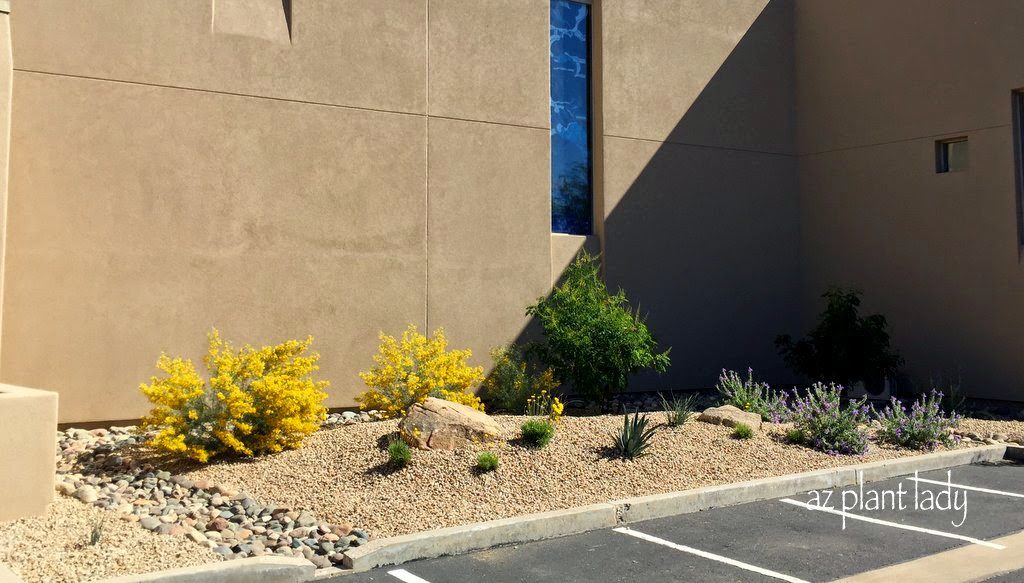
Flowering Feathery Cassia Senna Artemisioides Adds Color In Winter

Cassia Bakeriana Pink Cassia Pink Shower Tree Flowering Trees

Desert Garden Desert Landscape Front Yard Desert Landscaping

Cassia Artemisioides Senna Bush Forms We Grow Landscape

Feathery Cassia For Sale Arizonas Best Shrubs Moon Valley Nursery
Posting Komentar untuk "Cassia Feathery: Unraveling the Mysteries of this Fascinating Plant"